

Hey there, Parents! 👋
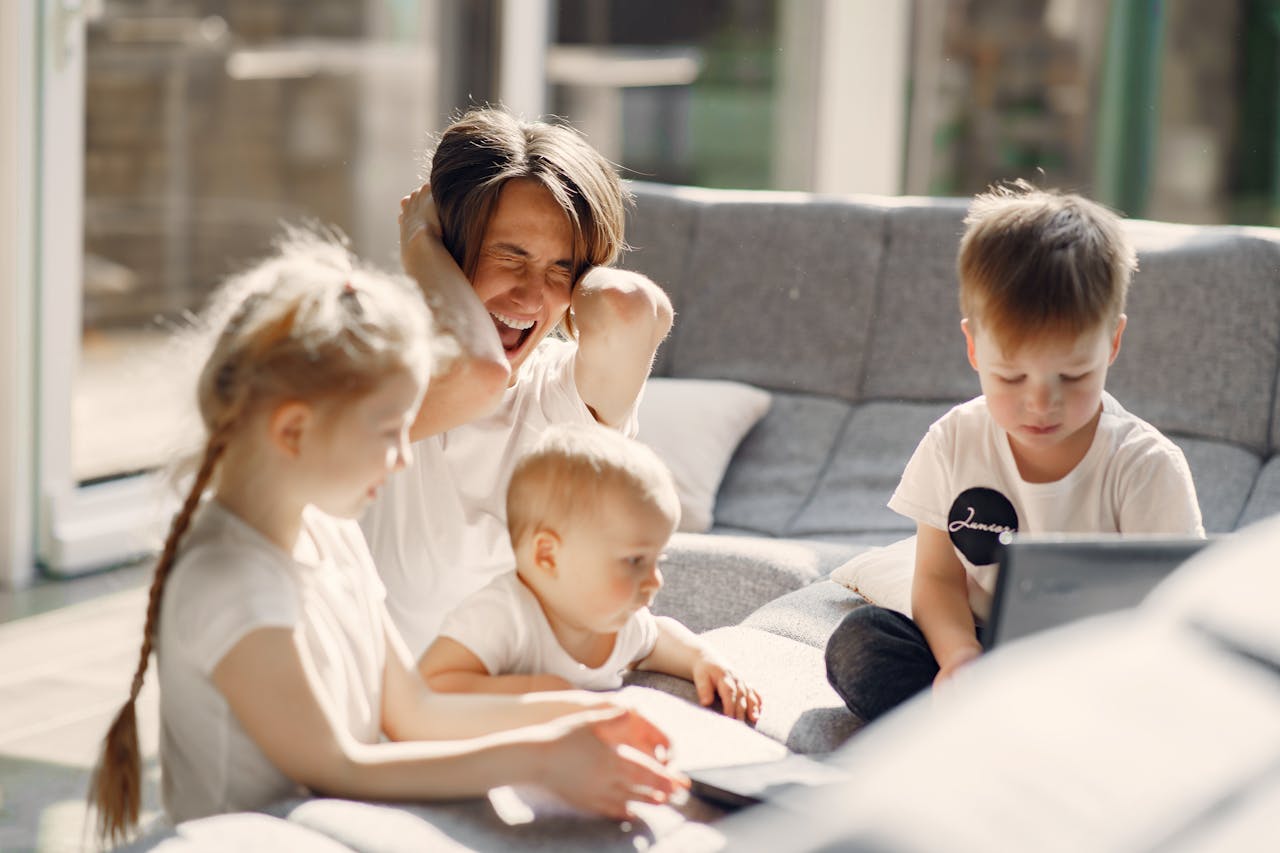
Possibly the most challenging full-time job in the world is that - Parenting! 🫣 Between carrying kiddos who suddenly decide their legs are “broken,” and endless errands that turn every day into a 20k step count day, the physical toll can feel overwhelming. And as much as we adore the little ones in our lives, the aches and pains at the end of the day are real. ❗
Trust me, I’ve been there carrying kiddos (not mine, though) and I was able to return the little ones at the end of the day to their parents—so I can’t imagine every day. 😝 But don’t worry dear, parents—I come bearing hope, and it comes in the soothing form of Oleia Topical Oil. First though, let’s chat about why those moments of relief matter and dive into some insights backed by science. 🤓
We often hear that spending time with their children is one of the most meaningful investments parents can make—and it’s true! A study last year by Li and Guo, found that the more time parents spend with their children, the better their children’s well-being. Time spent on life, leisure, and even educational activities with parents had significant positive effects on children’s mental health and happiness. ☺️ So, every piggyback ride, flying catches and bedtime story count more than we know. Yet it comes with its share of wear and tear on the body---but let’s face it, the pros greatly exceed the cons in this, right? 🫣
And speaking of stress, here’s an eye-opener: parenting stress doesn’t just affect the adults. Research done in 2012 by Neece, et al, shows that stress and child behavior problems have a mutual, ongoing relationship. In the study, both mothers and fathers experienced this cycle from when their children were as young as 3 until they turned 9. 🔁
High stress levels led to behavior issues in kids, which, in turn, fed back into increased stress for the parents. If you’ve ever felt that your stress affects your kids’ behavior (and vice versa), you’re not alone. It’s real, and it’s science-backed. 🫣
Now, let’s add one more layer—work stress. A study highlighted by Kramer reveals how parents’ job stress influences family mealtimes and child development. 🤔 It’s a reality for many families: the expectation to be “ideal workers” (you know when work spills beyond the hours? 🚫) clashes with family routines, making it challenging to provide the consistency that children thrive on. The pressure spills over into late-night scrambles and parents pushing through sore muscles and tired limbs just to keep up and we all know that tempers are short when we’re tired. 🫣
But here’s where things take a positive turn. The same dedication that parents show deserves a little self-care, right? And that’s where 💜Oleia Topical Oil💜 steps in. Any variant you love with its gentle blend of carefully crafted oils that penetrates quickly and provides relief from the tightness and pain that come with parenting’s daily hustle. Ingredients like olive oil and pomegranate seed oil nourish your skin while cetylated fatty acids and omega oils help ease those overworked muscles. 😌
Though I know, I know, we can’t change the sleepless nights or magically carry fewer grocery bags (or children!). 🙈 But we can change how we support our bodies through it all. Taking a few moments to massage Oleia’s beautiful oil onto sore shoulders or tired feet isn’t just about easing pain—it’s about restoring the energy you need to be present and patient for your little ones. 😌
As you end another day filled with chaotic giggles, deep sighs, and love, remember: the hard work you’re putting in is making a huge difference that will affect them as individuals forever. 🥰 And for those moments when your body demands a break, Oleia has always got your back---- after all, time goes by so fast and before you know it, the little ones won’t be so little any more. 💞
Show me your bottle and I’ll show you mine. 'Til next time! 💜
xo, L.

👀: https://pmc.ncbi.nlm.nih.gov/articles/PMC10106685/
https://www.sciencedaily.com/releases/2023/09/230929131409.htm
https://pmc.ncbi.nlm.nih.gov/articles/PMC4861150/

